
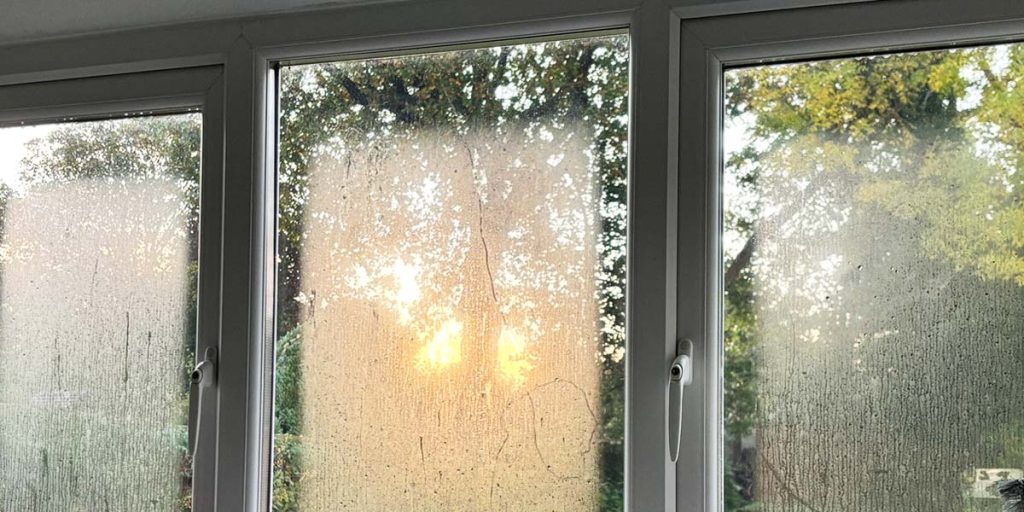
Window condensation is a familiar sight for many homeowners. Those misty droplets forming on the glass can be an eyesore and a cause for concern in some cases. Understanding what causes window condensation and how to prevent it before it leads to more significant issues is crucial. This guide breaks down the common causes, explains the difference between regular and problematic moisture, and shares practical steps for reducing condensation.
In a nutshell, condensation forms when the warm, moist air meets colder surfaces. When it happens indoors, the most usual suspect is excessive humidity. Any household-related activity involving water, such as cooking and showering, can lead to moisture buildup. The source of moisture doesn’t necessarily need to be close to the occurrence of condensation. Vapor pressure forces moisture to pass through the walls, irrespective of the material. On the other hand, outdoor condensation is similar to the dew on your lawn in the morning.
Neither kinds of condensation mean your glass units are bad. In fact, they may even indicate that your windows are efficient because they prevent air leakage effectively.
Not all window condensation is created equal. Understanding where the moisture is appearing helps you know whether that’s a real issue to address or if your windows are actually doing a good job.

Condensation inside windows is often caused by high humidity in the home. Excess moisture from indoor activities like cooking, showering or using a humidifier can all contribute to this effect.
If you notice water droplets, fogging or streaks on the interior side of your windows, it usually means the condensation is coming from the inside. You can check if the moisture is inside by simply touching the glass.
On the other hand, if you notice the condensation on the exterior or outside-facing glass, it’s typically nothing to worry about. Exterior window condensation is often seen on homes with energy-efficient or newly installed windows.
Exterior condensation happens because your windows are doing an excellent job of keeping warm air inside your home, so the outer pane stays cooler and attracts condensation from the outside air. It’s especially common during cool mornings following warm, humid weather.
While a bit of condensation can be normal, especially during seasonal changes, persistent moisture on your windows often requires some attention. Fortunately, there are several steps you can take to stop condensation on windows and maintain a healthy indoor environment.
Good airflow goes a long way toward preventing condensation. The easiest way to reduce warm, moist air in your home is to keep your spaces ventilated. You can open your windows or sliding doors a couple of hours a day to allow fresh air indoors and stale air to escape. When it’s raining or cold outside, turn on your fans to help eliminate excess moisture.

When cooking, running the dishwasher or taking a shower, make sure your exhaust fan is running. Leave the fan on for around 15 minutes after your task. Your exhaust fan must be properly vented outdoors to eliminate warm, humid air from your living space.
Humidity is the primary cause of condensation inside windows. Try to keep your home’s humidity between 40% and 60%. You may need to lower the percentage during extremely cold weather to prevent window condensation. Simple changes, like using lids when boiling water or drying laundry outdoors, can also make a noticeable difference.
It may be tempting to keep blinds shut on chilly mornings, but closed curtains and shades can trap moisture against your windows. Open them up for a while each day to let air reach the glass. Doing so helps prevent condensation from collecting and lingering.
Warmer indoor air holds more moisture. Lowering your thermostat, even by a couple of degrees, can reduce the temperature gap between inside air and your windows, which means less condensation will form.
If you’ve tried everything else and still notice persistent condensation, a dehumidifier might be what you need. These handy devices pull excess moisture from the air, making it much harder for water to appear on your windows.
Sometimes, the best long-term fix is a window upgrade. Older or single-pane windows are much more likely to have condensation problems. Modern energy-efficient windows, such as those offered by Renewal by Andersen, utilize advanced technology to maintain warmer interior glass surfaces, resulting in less fog and improved comfort.
When you notice condensation trapped between the window panes, consider that a red flag. Misted double glazing is a clear sign that the window’s seal has failed. Unlike normal condensation that appears on the inside or outside surfaces of your windows, this issue occurs inside the unit, where moisture should never be present. In that case, the insulating barrier has been compromised, allowing moisture and air to leak in.
Unfortunately, condensation inside windows cannot be fixed by simple cleaning or dehumidification. Once the seal is broken, the insulating gas escapes and the window loses its energy efficiency. Over time, this problem can lead to increased utility bills, reduced comfort, and a cloudy appearance that affects your home’s curb appeal.
Window condensation can be harmful to your family and home when left unaddressed. Some of the potential effects include:
Window replacement is an ideal solution for controlling condensation. Choosing the right replacement windows is an investment in your home’s comfort, efficiency and long-term value. Renewal by Andersen® windows are engineered to provide superior performance and industry-leading durability, making them an excellent choice for homeowners seeking a permanent solution to window condensation and energy loss.
Our high-performance units not only feature an enduring weathertight seal but also maintain a warm surface to prevent fogging. From our argon gas blend for filling to our Fibrex® composite material, our windows deliver exceptional thermal performance due to the sum of their parts.
Our exclusive High-Performance™ Low-E4® glass helps keep the inside surface of your windows warmer, reducing the risk of condensation inside windows even in extreme temperatures. Additionally, each window is custom-built to your home’s exact specifications for a tight, reliable fit that helps prevent air and moisture leaks.
If you think there’s something wrong with your windows or have finally decided to replace your old ones, get in touch with Renewal by Andersen. We install some of the most energy-efficient windows and replacement doors in the industry. Contact us online to schedule a free consultation today.