
Many homeowners imagine their home bathed in natural light, with cozy corners for morning coffee or quiet reading. The right window can open up a room, expand living space and boost curb appeal. Two windows deliver these benefits — bay and bow windows. They bring a sense of picturesque magic to Indianapolis homes, framing the landscape outside.
Stuck between these styles? This guide walks you through each option so you can decide which one best suits your home.
A bay window consists of three parts — a large central panel flanked by two smaller windows. The middle panel is a fixed picture window, while the side windows may be operable or inoperable. Casement and double-hung windows are popular in bay window configurations.
Bay windows jut outward from the exterior of the home. Their angled projection creates depth and extra space inside a room. From the outside, the sharp lines of a bay window give a home definition and architectural interest.
Like a bay window, bow windows extend beyond the exterior wall, but they curve to form a graceful arc. A bow window may feature four, five or even six equal-sized panes arranged along the curve. It transforms the exterior silhouette into a softer, more flowing shape.
The curvature creates a panoramic view of the outside. A bow window can make a room feel wider, brighter and more spacious.
Before choosing between bay and bow windows, it is helpful to compare them side by side:
A more angled bay window complements modern or classic architecture. The geometric form gives a crisp, structured look. Bow windows harmonize well with traditional architecture. Think Victorian, colonial or Tudor influences with timeless aesthetics. The curved shape blends with ornate or historic facades.
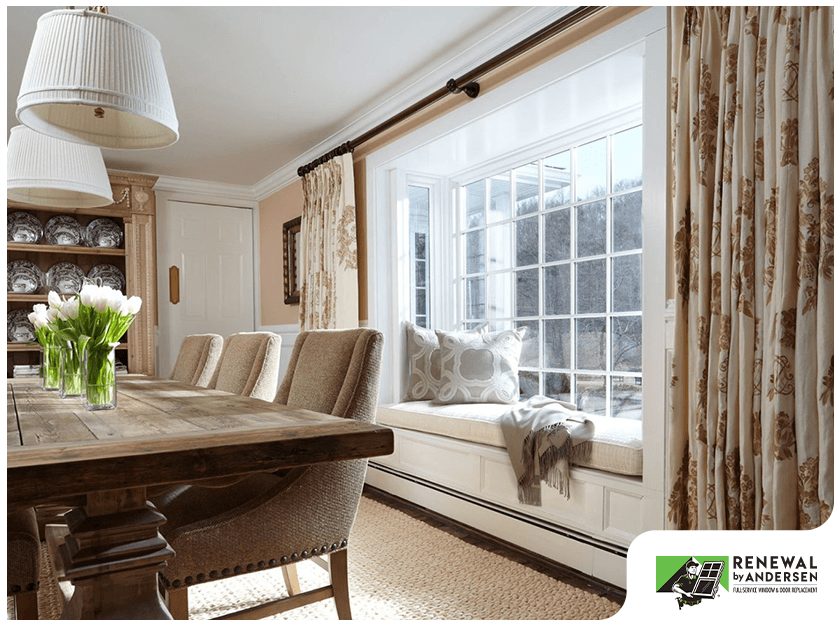
A bay window adds floor space to a room. That extra ledge or alcove makes a prime spot for a seating bench, window seat, plant shelf or storage. It adds functional, defined space. Bow windows extend the interior less. Instead, they expand the visual field to create a space that feels open and airy, rather than defined or compartmentalized.
Here’s how bay and bow windows compare when it comes to letting in light:
If you want more brightness and wider views, bow windows stand out. To highlight a specific outdoor scene or view, bay windows deliver a framed, focused vista.
Installing either bay or bow windows takes structural work. It involves altering a standard flat wall so the window projects outward. Since bow windows have more panes and a curved frame, they may require more labor and precision to install. That complexity can make installation costlier than bay windows.
Bay windows offer a more budget-conscious option while still delivering style and function. The good news? Upgrading existing bay or bow windows with a replacement gives you the benefits of a new window without the need for construction.

Deciding on the style of window is only part of the selection process. Here are some top tips for choosing the perfect replacement windows for your Indianapolis home:
Your windows contribute to your home’s comfort during Indiana’s hot summers and chilly winters. Whether you choose a bay or bow, energy efficiency is an important consideration. Insulated windows reduce drafts, minimize heat transfer and help regulate indoor temperatures.
Indianapolis falls into Energy Star’s North-Central climate zone. Replacement windows with a U-factor of around 0.30 deliver ideal energy efficiency in this region. A window’s U-factor measures how well the assembly resists heat transfer.
When shopping for bay or bow window replacements, choose a high-performance, low-emissivity glass. Together with durable frames, this glass offers exceptional insulation and energy efficiency.
The frame material affects strength, longevity, insulation and maintenance. While many homeowners appreciate the charm of wood frames, they require higher maintenance. Wood is also more vulnerable to warping and rot.
Composite frames provide a durable and easy-to-care-for alternative. For example, Fibrex® material from Renewal by Andersen® blends wood and thermoplastic polymer. The low-maintenance material is twice as strong as vinyl. It resists rot, decay and mold while boasting superior insulation properties.
Since both bay and bow windows feature multiple panes, glass is an important consideration. Your options include:
Bow and bay windows add drama and visual appeal to your home. You can make them stand out even more with custom colors, grilles, hardware and finishes. Customization options let you create a completely unique window design.
With bay windows, you can select the style of the flanking windows, such as casement or double-hung. Vertical casement windows have side hinges and swing outward like a door. Double-hung windows have two operable sashes.
Choosing the right windows for your home is a big step — but who installs them matters just as much. Here’s why teaming up with professionals is the smart move:
Bay and bow windows each bring beauty, light and incredible views to Indianapolis homes. If you’re torn between them, Renewal by Andersen can help. For over a century, we’ve enhanced homes with custom replacement windows. Each window is a masterpiece of engineering and craftsmanship. From innovative Fibrex® material frames to high-performance glass options, we build windows that last.
Your journey starts with a free in-home consultation. Our experts discuss your vision, consider your budget and recommend the right windows for your home. We take precise measurements to ensure a snug, weathertight fit. Enjoy peace of mind with award-winning products and the Nation’s Best Warranty Coverage.
Discover The Better Way to a Better Window®. Visit a Renewal by Andersen showroom near you or contact us to schedule a consultation.