
Colonial architecture is still one of the most beloved styles for homeowners throughout New Jersey and New York. When it’s time to upgrade the look of your colonial home, replacing your windows is just one way to brighten up your space and to make it more authentic. Explore our style tips and learn how thoughtful window replacement can help you elevate your colonial home.
Colonial architecture is a building style that was prominent during George Washington’s time. The architectural style is influenced by colonists who settled in America in the 1700s, bringing various design elements from countries such as England, the Netherlands, Spain and France.
New Jersey and New York boast many colonial-style homes, but as you may have noticed, design features differ dramatically between the different colonial styles since each is influenced by various countries.
Colonial architecture encompasses a range of distinct home styles, each with unique window designs that combine aesthetics with historical character. Understanding the window traits of these iconic styles can help you select the best modern replacements that perfectly fit your home. Some of the more popular colonial-style windows include:
French colonial homes stand out for their tall, narrow windows and eyebrow dormers — that slight arched shape above windows — hipped roofs and distinctive French doors. Shutters typically frame each window, providing both function and charm.
Double-hung windows are a popular, style-appropriate choice for replacement when you want to enhance the curb appeal of your French colonial home. You can personalize your colonial windows and doors by giving the grilles and shutters a fresh coat of paint in a color that complements your home’s style. Light neutral colors, such as cream and ivory, are typically a good choice for this style.
Renewal by Andersen of New Jersey’s double-hung windows feature a tilt-out design, making them easy to clean, while also being beautiful and functional.
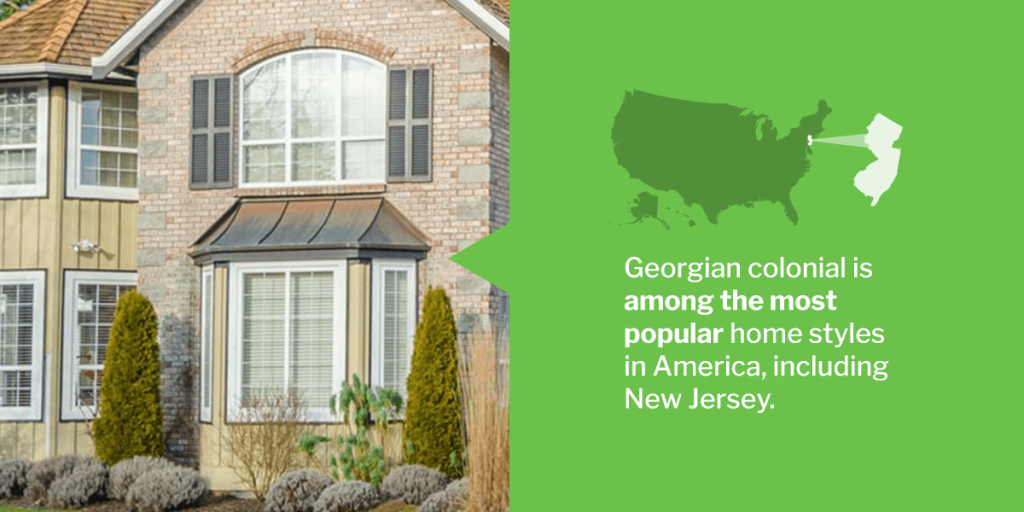
Georgian colonial is among the most popular home styles in America, including New Jersey. These homes have an orderly, stately look characterized by a large central dormer flanked by gables, symmetrical layouts and distinctive multi-pane windows.
Initial Georgian colonial homes in the 1700s typically featured a collection of nine to 12 small panes in each sash, framed by classic window grilles. This grid pattern reflects the historical authenticity of the period and also enhances curb appeal.
For homeowners seeking energy efficiency while maintaining charming style, bay windows are an excellent choice. They add sophistication to the main floor while providing the eye with a balanced focal point. The transoms also add an era-appropriate architectural detail that’ll transform your Georgian home from basic to beautiful.
Emerging after America’s independence from King George’s England, the Federal style was developed as a move away from Georgian colonial architecture. These homes still draw influence from Georgian colonial architecture with more delicate and decorative window treatments.
These homes often feature large, elegant windows with semicircular or elliptical tops, and the addition of transoms above doors for extra light. Colonial windows and doors in the Federal style often feature slimmer muntins — the bars that divide panes of glass — and emphasize symmetry and refinement.
Another window type commonly seen in the Federal style is the Palladian window. This window is characterized by its arch and the structure of a center window and two side windows.
Dutch colonial homes are among the coziest, and they’re making a comeback. This architecture is instantly recognizable by its gambrel roofs and double Dutch doors at the main entryway. Windows in these homes are typically wide and symmetrically arranged, often with a central dormer window or a prominent picture window on the main floor.
Many Dutch colonial homes use classic double-hung windows, which blend seamlessly with the home’s warm and timeless feel. You can choose high-efficiency, double-glazed colonial windows to retain this traditional look while enhancing comfort and reducing utility costs.
Spanish colonial homes are characterized by their white stucco walls, low-pitched tile roofs, and their signature windows. Unlike some of the more formal colonial styles, Spanish colonial windows tend to be smaller, often accented by arched tops and wrought-iron grilles. This cozy look helps keep interiors cool during New Jersey’s hot, humid summers.
When replacing windows in a Spanish colonial home, it’s important to keep this character front and center. Consider choosing casement windows that are tall and narrow with horizontal panes. You can also add custom grilles or decorative hardware to enhance the Spanish flair.
Colonial-style homes are as varied as the designers who draft and build them, but all share a few common traits that you can take advantage of when remodeling or decorating your home. Here are upgrades you can make to your home to capture that authentic, timeless feel of colonial architecture:
Colonial architecture is known for its carefully balanced windows and doors, often spaced evenly along the front of your home. Look for ways to maintain that symmetrical arrangement by balancing landscaping, using downspouts that blend with the trim or keeping the siding consistent.
Adding specific architectural details can elevate your home and give it an authentic colonial-style look. Some key elements you can incorporate include:
Steer clear of a sterile, green expanse of lawn and embrace a variety of vegetation. There’s nothing like a flower-bordered brick sidewalk leading up to your entryway to add real life and sophistication to your home. Adding old-world colonial-style lighting to your yard will add a bit of detail during the day and highlight the best features of your home after dark.
While Renewal by Andersen of New Jersey replacement windows are manufactured with cutting-edge technology and design features to meet the high-performance demands of 21st-century homeowners, we also value our classic heritage. Whether you have a French or British colonial home, our diverse hardware style options allow us to create a look and feel that is authentic and functional.
Contact us online or call 866-609-5033 to connect with our experts about energy-efficient options or to request more details about designing replacement windows for your colonial-style New Jersey home.