
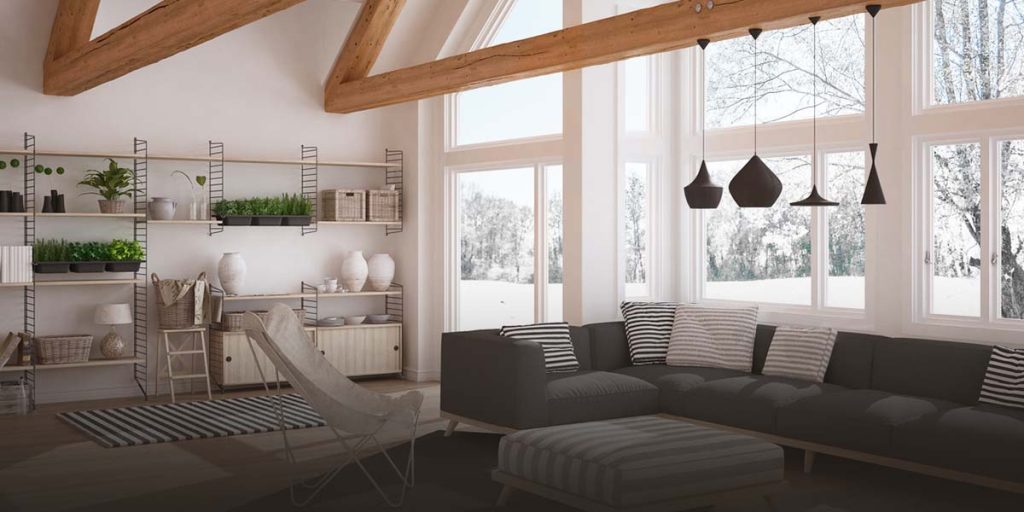
When the mercury drops, frozen windows can turn everyday living into a struggle. Stuck sashes, frost-laced glass panes and inoperable windows are safety hazards that can also harm the frames. Beyond the frustration, winter window issues invite drafts and cold spots that can overwork your heating system and lead to long-term damage. Left unchecked, the result is discomfort, costly repairs and higher energy bills – exactly what you don’t want in the middle of winter.
Let’s find out why windows freeze and unlock six ways to keep them clear and operable, no matter how cold it gets outside.
Unlike most other items inside your home, your windows are in direct contact with outside conditions. In winter, they can be warm on one side and freezing on the other. When the inside air is dry and the windows are in good condition, this isn’t a problem, but when moisture in the form of water vapor condenses on very cold glass, it can quickly turn to ice. High indoor humidity, poor ventilation and leaky windows make it worse, which is why frozen windows commonly occur in bathrooms and kitchens.
Ice forms when moist indoor air meets cold window surfaces – especially where seals are weak or humidity is high. Failed glass or frame seals can trap moisture that freezes and thaws, leading to water intrusion and damaged caulking around the frames. Over time, warped frames and air leaks lead to drafts and make your HVAC work harder to keep up.
Keeping your home comfortable and your windows frost-free, even in January, is possible if you know how. Start with simple steps and work your way up, or move directly to a long-term window replacement solution from Renewal by Andersen to eliminate the need for DIY fixes.
Condensation happens when warm indoor air meets very cold glass, like a glass of ice water in summer. In kitchens and bathrooms where the air is more humid, droplets can form and then freeze in cold snaps. Use bath and kitchen exhaust fans and dial back humidifier settings to lower and control indoor moisture levels. Moisture trapped between your window panes indicates a failed seal, and you should have the unit replaced to prevent recurring freeze issues.
Small gaps around sashes and frames let cold air in that chills the glass and encourages condensation and ice. As part of your winter window care, inspect weatherstripping for wear, replace it as needed and add it where sashes meet to stop drafts. Scrape out failed caulk and apply a fresh bead to restore a tight seal. Keeping openings sealed also helps prevent condensation from forming on or between panes in the first place.
Freeze–thaw cycles shrink and expand window components. Brittle or failed caulking can let water in, warping wood, bubbling paint and encouraging mold. Remove deteriorated caulk, dry the area, then reseal to keep water out. If damage is extensive, consider a licensed contractor to repair and reseal the opening before the next cold snap.
For frozen sashes or tracks, a deicer can quickly melt ice so you can open the window. If you don’t have a store‑bought spray, mix seven parts isopropyl alcohol with three parts water and a few drops of dish detergent. Spray the solution onto the affected areas, wait a few minutes, then gently free the sash. Deicers only provide short‑term relief, so pair this with sealing and humidity control to prevent refreezing.
Targeting the heat inside your home can reduce frost on cold glass. If a room ices up at night, raising the temperature or using a safe space heater can help prevent accumulation. Also, always store firewood outside the living space since wood releases moisture in warmer rooms, raising indoor humidity and contributing to freezing on windows. For best results, combine temperature adjustments with ventilation and sealing.
If freezing persists, consider replacement windows with modern frames and glass packages. Fibrex® material composite frames from Renewal by Andersen maintain durable, airtight seals that limit condensation from forming and freezing on or between panes, offering strong insulating performance. Pair Fibrex® material window frames with advanced Low‑E glass for energy-efficient windows that reduce heat loss and air leaks, lowering the potential for condensation. Many of our options are ENERGY STAR® certified.
If your windows freeze or fog every winter despite de‑icing, sealing and ventilation fixes, it may be time to replace them. Aging, single‑pane or inefficient units are also more likely to run cold inside and persist with problems in winter even after repairs.
Other signs that it may be time to upgrade your windows include:
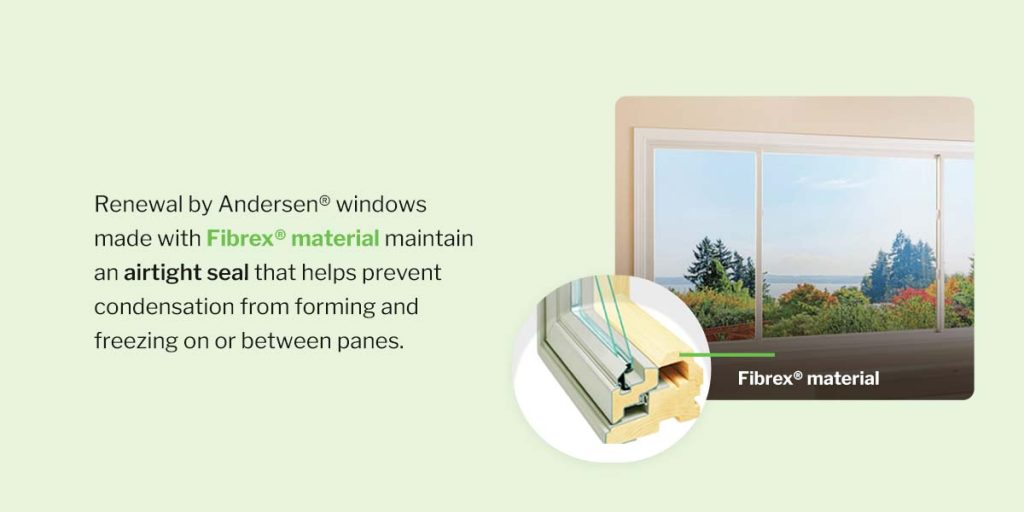
Renewal by Andersen® windows made with Fibrex® material maintain an airtight seal that helps prevent condensation from forming and freezing on or between panes. Our Energy Star®-certified options and advanced glass packages improve comfort and cut drafts, so problems don’t return with the next cold snap.
At Renewal by Andersen, we meticulously install premium replacement windows and provide the best possible customer experience. From initial contact to postinstallation support, you can rely on us for superior products and processes. Our exclusive Fibrex® material frames provide long-term beauty and performance, even during the coldest winters, maintaining robust insulation and durable, airtight seals.
When you partner with us for your winter window upgrade, you can be assured of: