
Windows are some of your home’s most treasured features. They frame views, let in natural light, withstand the elements and maintain comfort. To get the most from yours, it helps to understand how each part works.
At Renewal by Andersen, we craft our windows with care. Every component plays a role in performance, efficiency and style.
Here’s a closer look at the anatomy of a Renewal by Andersen® replacement window.
The frame is the backbone of your window. It anchors the entire unit to your wall, supporting the glass, sash and other components. A high-quality frame holds everything together. It also helps improve energy efficiency by protecting against drafts and moisture.
A frame has four parts:
Together, these parts form a strong, weather-tight structure that fits into the wall opening.
Renewal by Andersen builds our frames from exclusive Fibrex® material. This revolutionary composite consists of reclaimed wood fiber and thermoplastic polymer. It combines the stability of wood with the low-maintenance benefits of vinyl. Fibrex® material frames resist warping, rotting and fading, so you can enjoy windows that stay beautiful year after year.
Glass is what most people notice first, but it’s also where much of a window’s performance comes from.
Modern window glass is much more advanced than the single panes of the past. Consider these features of our cutting-edge glass:
The right glass helps to cut energy costs while creating a bright, comfortable space year-round.
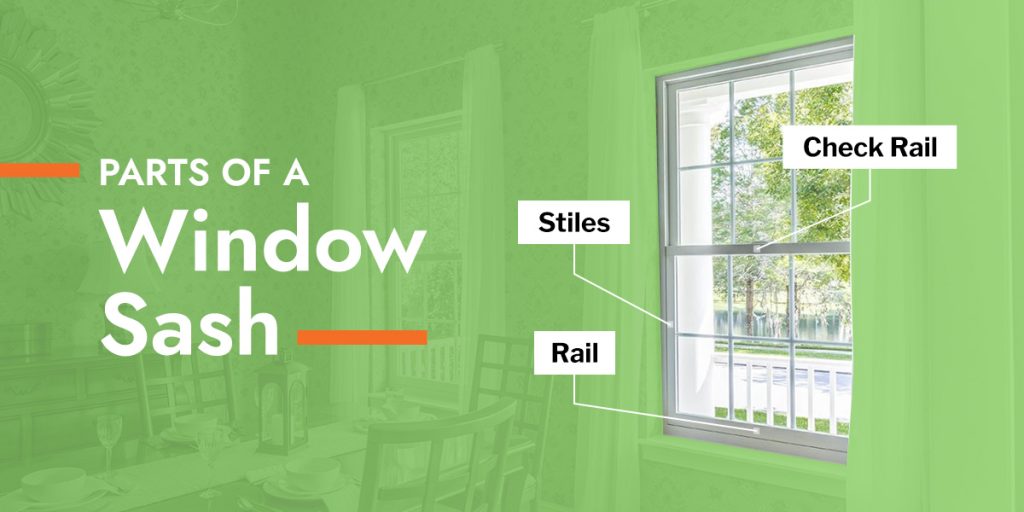
The sash holds the glass panels in the frame. In operable styles, it’s also the part that moves. Sashes include:
In double-hung windows, both the upper and lower sashes slide vertically. This design allows flexible ventilation. Casement window sashes swing open on side hinges. Sliding windows include sashes that glide on horizontal tracks for easy operation.
Sashes play a role in function and aesthetics. They control airflow, influence the amount of natural light and contribute to the window’s design. We engineer our sashes with precision for smooth opening and closing. Some window styles have tilt-in sashes for effortless cleaning from inside your home.
Grilles, traditionally referred to as muntins, are ornamental bars that divide a window pane into smaller sections. The grilles of yesteryear were structural, holding together multiple small panes of glass. Today’s grilles are decorative only. They give windows a timeless look.
While grilles and muntins are decorative, mullions serve a functional purpose. These bars join separate panes of glass, adding structure and support. They can make windows appear taller or add depth to them.
We offer a variety of grille and mullion options to complement your home’s character. Choose from traditional or modern designs.
Window hardware and operating mechanisms are small details that make a big difference. These components ensure your window operates as expected. The right hardware can even boost security and energy efficiency.
Common replacement window hardware includes:
You can customize your Renewal by Andersen® replacement window with various hardware options.
The trim and casing finish the edges of your window. They cover the transition from the wall to the frame for a polished appearance. Trim also helps protect windows by shielding insulation from moisture and air leaks.
During installation, there’s a narrow gap between the frame and the wall opening. Our installers fill this space with foam insulation to create a tight seal. This necessary step prevents drafts and enhances efficiency.
Once sealed, decorative trim completes the design. It blends your new windows seamlessly with your home’s interior and exterior.
We hope this guide covered everything you needed to know about the anatomy of a window. Here are some bonus questions and answers:
No. Some windows have movable sashes, while others have fixed sashes. Fixed windows, such as picture windows, are inoperable. Instead, the glass seals into the frame for a clear view and excellent insulation. Double-hung, casement, awning, bow and bay windows feature movable sashes.
Glazing comes in three types with varying levels of insulation:
Spacer bars separate the glass panels in dual- and triple-pane windows. They create a sealed gap for thermal insulation. Desiccant-filled spacers help prevent condensation between the panes by absorbing moisture. Aluminum spacers offer durability but can conduct heat. Stainless steel spacers enhance energy efficiency, while foam or composite spacers decrease heat transfer.
At Renewal by Andersen, each part comes together to form a beautiful, durable window. We bring expert craftsmanship in every detail. Accurate measurements and custom fabrication ensure your replacement windows fit your home perfectly. Our Certified Master Installers fit each panel with precision.
From elegant bay windows to classic sliding designs, there’s a style to match your vision. Enjoy a window that performs year after year, backed by comprehensive warranties.
Reach out today to schedule a free consultation. Discover how we can transform your home, one window at a time.