

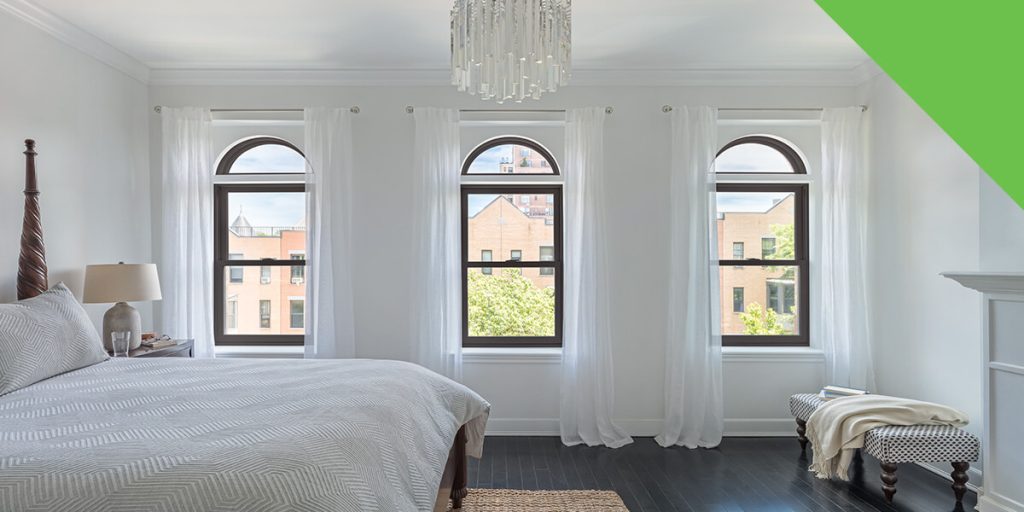
Renewal by Andersen® energy-efficient replacement windows provide many benefits, ranging from lower energy bills to a more comfortable interior and a boost in curb appeal.
Reducing noise levels in your home is another noteworthy advantage of choosing Renewal by Andersen for your window installation. We have specifically designed our outstanding products to block sound from outside, resulting in a quieter and more peaceful living space for you and your family.
This post explains how these features work to dampen sounds. We will also discuss other ways to block noise inside and outside your home.
Noise-reducing windows are designed to help dampen exterior noises and prevent loud sounds from entering your home. The STC rating measures how much noise a window can block. It is an industry standard that helps you assess the window’s performance in keeping the noise outside where it belongs.
An STC rating follows a logarithmic pattern, where each rating is significantly higher than the preceding one. The ratings measure ambient noise, such as music, conversations and television. STC ratings range from 18 to 38 — the higher a material’s rating, the better it is at preventing noise.
At Renewal by Andersen, our dual-pane design and the thickness of the glass allow our windows to achieve better STC ratings. Most of our replacement windows have an STC rating of 34, which means they block most outside sound from entering your home.
The construction of the window is essential for determining its effectiveness in reducing noise. Some of the characteristics include:
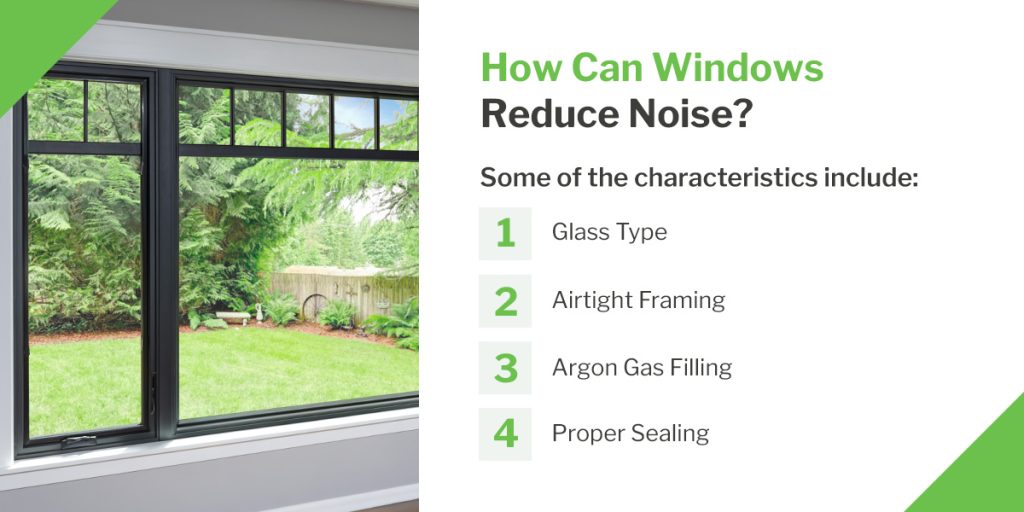
The type of glass in a window can significantly impact its noise-dampening capabilities. For example, STC ratings for windows vary depending on the glazing. Single-pane units typically earn ratings between 26 and 28, while double-paned ones often range between 26 and 33. The two layers of glass in double-pane windows create a thicker barrier that absorbs and reduces the intensity of sound waves. They are the best type of window for noise reduction.
In addition, some windows come with laminated glass. This type of glass consists of two glass panes with an interlayer in between, making it highly effective at dampening sound. At Renewal by Andersen, we laminate our impact-resistant glass with a polyvinyl butyrate interlayer. This design interferes with sound waves since the materials have different densities, leading to a peaceful, noise-free home.
Since sound waves travel through the air, any cracks or gaps in your window installation can result in excess noise entering your home. The best way to ensure a perfect fit for your replacement is to use measure-to-order units. Tight framing reduces the passage of airborne sounds.
Renewal by Andersen measures replacement windows within 1/16th of an inch of the existing openings. Our experts will fill any remaining gaps with specially formulated foam that also improves insulation.
Gas filling, notably denser gases like argon, can create a more effective sound barrier than air alone. While inert argon gas in the window primarily reduces heat transfer for better insulation, the density of this gas fill also slows down sound wave transmission.
All Renewal by Andersen® replacement windows have two panes of glass separated by a layer of inert argon gas. This multilayered design allows for extra sound-dampening abilities since the additional pane creates another barrier against noise.
Professional installers use premium weatherstripping around the window frame and sash to minimize noise intrusion. The weatherstripping creates a robust, airtight seal that serves as a barrier against external sounds.
Proper sealing eliminates gaps and vulnerabilities, reducing noise infiltration. It is also beneficial for preventing the entry of air, dust and water, particularly for casement and picture windows.
While no window can eliminate all external sounds, noise-reducing windows contribute to a quieter, more peaceful home. Decreasing the noise in your space can have a positive impact on your overall health and well-being. By reducing noise pollution, you can lower stress levels caused by excessive noise and enjoy better sleep. A quieter home can also improve concentration, which is ideal for people working from home. Investing in noise-reducing windows is an investment in your health and quality of life.
In some cases, installing double-hung windows to keep your home quiet is not enough. With noise pollution a problem in many neighborhoods, you should be aware of other materials and methods you can use to help ensure calm and peace in your home.
Proper window installation is crucial for maximizing noise reduction. Even the highest-rated noise-reducing windows will underperform if not installed correctly. Gaps and improper seals around the frame allow sound to leak through, which goes against the window’s noise-reducing capabilities.
A well-installed window creates a solid barrier against noise, resulting in a quieter and more comfortable home. The Certified Master Installers at Renewal by Andersen install your windows based on accurate measurements and seal any gaps to ensure an airtight fit.
Renewal by Andersen builds and installs windows to your home’s exact measurements and specifications. Expect them to deliver superior performance, combining our high-performance glass and our exclusive Fibrex® composite frame material.
We offer multiple customization options. Highlight the beauty of your new doors or windows by choosing from our large selection of exterior colors, interior finishes, grilles and hardware. We also back our units with industry-leading warranties, protecting your investment and giving you extra peace of mind.
Reach out to our experts today to learn more about how we can help you design and install the best windows for noise reduction in your home. Call us at 866-609-5033 or contact us online for a free in-home consultation.