
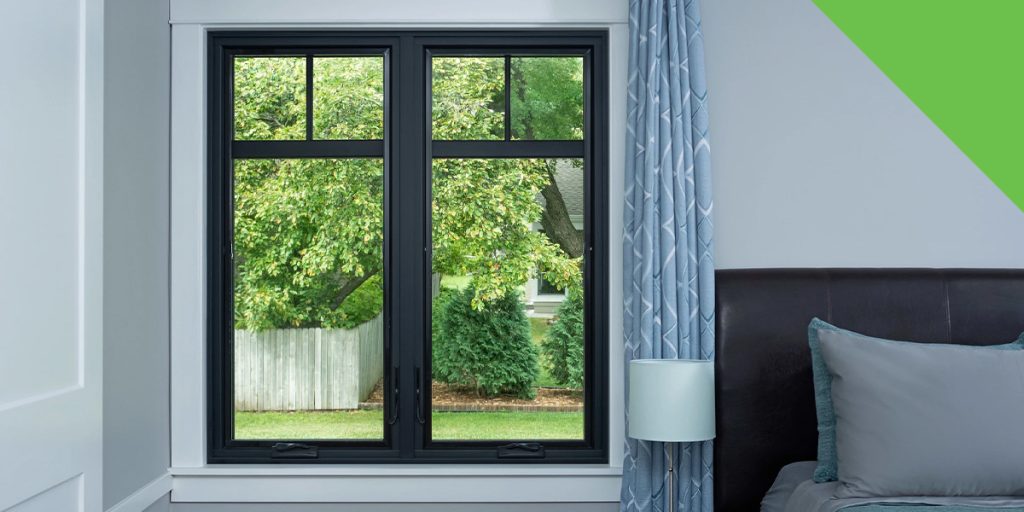
Your home should feel comfortable year-round, with lower energy bills and a peaceful indoor environment. If you’re ready to improve your home’s efficiency and comfort, energy-efficient replacement windows offer a proven solution. Modern windows can transform how your home performs by reducing heating and cooling costs, eliminating temperature fluctuations and creating a quieter living space.
This guide walks you through the benefits of energy-efficient replacement windows, helps you identify when it’s time for an upgrade and explains the key features to consider, from frame materials like Fibrex® material to advanced glass options.
Upgrading to energy-efficient replacement window options delivers measurable improvements to your home’s comfort, performance and financial value. Here’s what you can expect when you invest in modern, high-efficiency replacement windows:
Knowing when to replace your windows can help you avoid wasted energy and costly repairs. Watch for these common indicators that signal it’s time for an upgrade:
According to Energy Star experts, windows account for about 45% of the heat gain or loss in a home. If you’re experiencing any of these issues, exploring replacement options is worthwhile.
Choosing the right replacement windows involves understanding three key components: the frame material, the energy performance ratings and the glass technology. Each element plays a role in how well your windows insulate, how long they last and how much maintenance they require.
The frame material affects your window’s durability, energy efficiency and maintenance needs. Here’s how the most common materials compare:
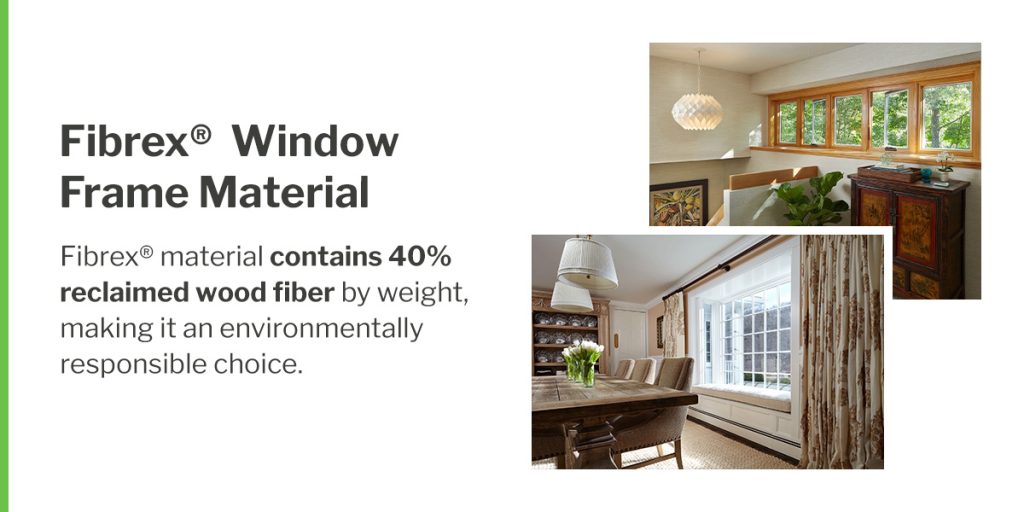
Fibrex® material is a composite that combines the strength of wood with the low maintenance of vinyl. It’s twice as strong as vinyl, resisting warping, cracking and bowing even in extreme temperatures. Fibrex® material contains 40% reclaimed wood fiber by weight, making it an environmentally responsible choice. Because it doesn’t expand and contract as much as vinyl, it maintains tighter seals over time.
Vinyl frames are popular for their affordability and low maintenance. They don’t require painting and resist moisture well. However, vinyl can expand and contract with temperature changes, which may compromise seals over time.
Wood frames offer classic aesthetics and natural insulation properties. They require regular maintenance, including painting or staining, to prevent rot and weather damage.
Understanding energy labels helps you compare windows objectively and choose the right product for your climate.
Energy Star certification indicates that a window meets strict energy performance standards set by the EPA for your specific climate zone. Energy Star-certified windows are independently tested and verified to deliver energy savings. National Fenestration Rating Council (NFRC) labels provide detailed performance data for every window.
The two most important ratings are U-factor and Solar Heat Gain Coefficient (SHGC). U-factor measures a window’s heat transfer, specifically how effectively it keeps indoor heat from leaking out. High-insulation windows have lower U-factor numbers, making them the best choice for staying warm in frigid regions. SHGC quantifies the amount of sun-driven warmth that enters a building through the glass. Lower values are preferred in sunny, warm areas because they minimize the amount of heat the air conditioning must combat.
The glass you choose has the greatest impact on your window’s energy performance. Modern glass technology goes beyond simple double-pane construction. Advanced coatings, gas fills and layering techniques work together to control heat transfer, block UV radiation and reduce energy costs.
High-performance™ Low-E4® glass is the standard high-quality glass option designed for balanced energy efficiency in most climates. Low-E4® glass uses a microscopic metallic coating that reflects heat while allowing visible light to pass through.
Renewal by Andersen® High-Performance™ Low-E4® glass significantly outperforms standard dual-pane options, offering up to 56% better energy efficiency in the summer and 47% in the winter. The performance comes from four layers of silver coating applied to the glass surface, which manages heat transfer without compromising natural light.
This upgraded option balances visibility with enhanced thermal performance, making it ideal for rooms with significant sun exposure. SmartSun™ glass blocks 95% of UV rays, protecting your furnishings, flooring and artwork from fading. It’s the most energy-efficient glass option available, providing superior insulation while maintaining excellent clarity and natural light transmission.
For homeowners in cold climates, this premium glass option adds another insulating layer. HeatLock® technology includes an extra coating that reflects heat back into your home, which is particularly valuable in northern regions where heating costs dominate energy bills. The added insulation layer reduces heat loss through the glass, keeping rooms warmer and reducing the workload on your heating system.
This glass option is engineered specifically for hot, sunny climates where cooling costs are the primary concern. Sun Glass includes a subtle tint that enhances its ability to block solar heat gain. It offers the best protection against excessive heat while still allowing plenty of natural light. Homeowners in southern or southwestern regions benefit most from Sun Glass because it reduces air conditioning costs during long, hot summers.