
Staying in the home you love as you age isn’t just about comfort – it’s about maintaining independence, staying connected to your community and preserving the life you’ve built. According to research from AARP, 75% of adults over 50 want to remain in their current homes as they age. Making that vision a reality requires thoughtful planning, and some of the most impactful modifications are easier than you might think.
Your doors and windows play a surprisingly critical role in supporting safe, comfortable aging in place. From reducing fall risks to improving daily comfort, strategic door and window upgrades address the key areas that directly impact your ability to age independently at home.
Simple daily tasks like opening a window for fresh air or stepping out to the backyard shouldn’t require struggle or pain. Yet for many older adults, traditional window and door hardware creates unnecessary barriers to comfort and independence in their own homes.
Round doorknobs require a twisting grip that can become increasingly painful or impossible for those experiencing arthritis or reduced hand strength. Heavy double-hung window sashes demand significant upper body strength to lift, while tight locks and latches on older windows strain hands and wrists. These challenges affect millions of older adults who simply want to enjoy natural ventilation or easy access to outdoor spaces. What should be effortless becomes a source of daily frustration – or worse, a task that gets avoided entirely, limiting comfort and quality of life.
Certain window styles are better for aging in place due to their operation mechanisms.
Replacing round doorknobs with lever handles transforms accessibility – these can be operated with elbow or palm pressure, eliminating the need for gripping and twisting. Sliding patio doors are ideal for aging in place because they glide smoothly on tracks with minimal effort, creating easy transitions between indoor and outdoor living spaces.
Replacement doors can include easy-grip hardware, ensuring every entry and exit supports your independence rather than challenging it. Ease of operation supports independence, but safety modifications are equally important for successful aging in place.
Falls represent one of the most serious threats to aging in place successfully. According to the Stopping Elderly Accidents, Deaths and Injuries (STEADI) initiative from the Centers for Disease Control and Prevention (CDC), one in four older adults falls each year, resulting in 41,000 deaths annually – that’s 112 older adults every single day. Falls are the leading cause of injury death for adults 65 and older, but they’re preventable with strategic home improvements for elderly safety, including thoughtful door and entryway design.
Standard doorways, typically 30 to 32 inches wide, often prove too narrow for wheelchairs, walkers or even someone using a cane who needs extra clearance for balance and confidence. The 36-inch minimum width recommended for accessible home design allows comfortable passage with mobility aids without the anxiety of bumping door frames or getting stuck. Custom replacement doors can be sized to meet these accessibility standards during installation. Wider doorways also make it easier to do everyday tasks, like carrying groceries, moving furniture or navigating your home with confidence.
Raised thresholds at doorways rank among the most common tripping hazards in homes, creating dangerous obstacles during the dozens of transitions you make through doorways each day. Traditional thresholds with raised lips, even if they are only ½ inch high, create stumbling points. They are especially dangerous when transitioning from indoor to outdoor spaces, and are hard to see in low light or when carrying items.
Low-threshold and flush-threshold doors can be excellent solutions:
Whichever type you choose, professional installation ensures safety. Proper installation maintains weatherproofing and drainage and provides peace of mind that any modifications meet safety and performance standards.
The CDC’s Falls Compendium specifically identifies home modifications – including accessible doors and threshold improvements – as evidence-based fall prevention interventions proven to reduce injury risk among older adults.
Natural light and fresh air aren’t just pleasant amenities – they’re essential for physical and mental health as we age. Reduced mobility often means spending less time outdoors, making window access to daylight and ventilation even more critical for maintaining quality of life at home.
Exposure to natural light regulates your body’s circadian rhythms, which control sleep-wake cycles and influence everything from hormone production to mood stability. Research published in Frontiers in Sleep shows that older adults with more daytime light exposure generally experience better sleep consolidation and fewer nighttime awakenings.
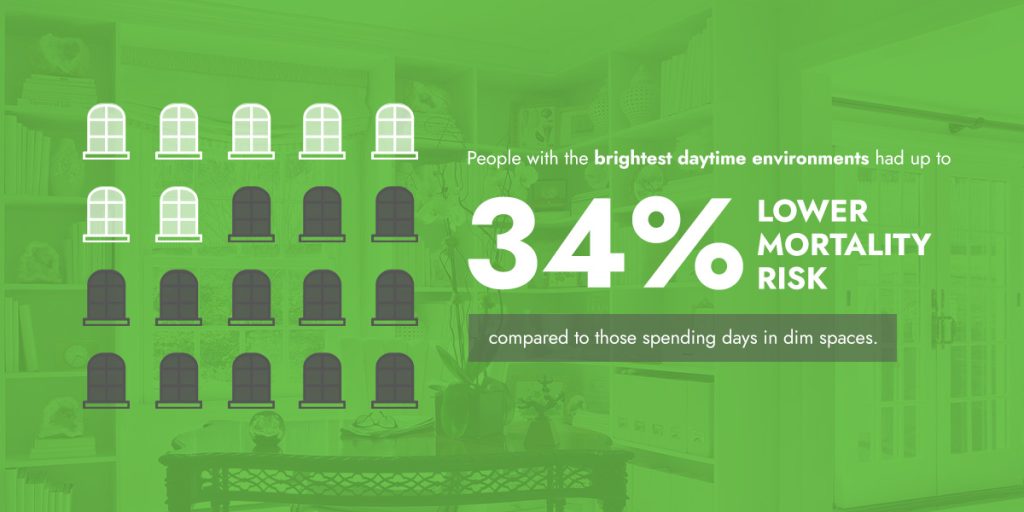
Even more compelling, a 2024 study tracking nearly 90,000 people found that those with the brightest daytime environments had a 17% to 34% lower mortality risk compared to those spending days in dim spaces. Proper light exposure supports sleep quality, mood regulation, cognitive function and overall health as you age.
Strategic window placement and glass types can dramatically increase the natural light flowing into your living spaces while reducing heat gain and allowing for more ventilation. Consider these options:
Proper ventilation removes indoor pollutants, reduces moisture that can lead to mold growth, and brings in fresh oxygen that supports respiratory health and overall comfort. Easy-to-operate windows encourage you to open them regularly for natural ventilation, and better air quality can reduce allergens and create a more pleasant living environment. Windows that open fully provide significantly better airflow than those that only crack open slightly.
Quality of life improvements – better sleep, improved mood, fresher air – make aging in place possible and genuinely enjoyable and sustainable for years to come.
The right replacement windows and doors can transform your home into a space that supports your independence for years to come. Renewal by Andersen® specializes in custom window and door solutions designed with your comfort, safety and long-term needs in mind. From design and sales through installation and service, your Renewal by Andersen® team will be with you every step of the way.
Ready to explore how replacement windows and doors can help you age in place safely and comfortably? Contact us today to discuss your home’s specific needs and discover solutions tailored to support your future.