
Many homeowners know the frustration of receiving a high energy bill or a persistent draft that makes the living room feel more like the outdoors. If you’ve sealed the doors and adjusted the thermostat, but the problem persists, the issue is likely your windows.
To solve this problem and maximize your home’s comfort and efficiency, you need to know your window air leakage rating. This number is one of the most critical indicators of a window’s performance, telling you exactly how much energy you’re losing simply because air is seeping in or out where it shouldn’t.
The goal of this guide is to help you understand this rating by explaining what it means, why it matters, how to read it, and what you can do to ensure your home is sealed tight and operating at peak energy efficiency.
Window air leakage, often referred to as air infiltration, is the amount of outside air that enters your home and the conditioned air that escapes through the window assembly itself. It includes air passing through the tiny gaps around the window sashes, between the sashes and the frame, and even through the seals. In simple terms, it refers to the unintentional flow of air through the window unit.
Understanding your window air leakage rating is crucial because air movement is one of the biggest drivers of energy loss in a home. The better the window air leakage rating, the more you can experience these benefits:
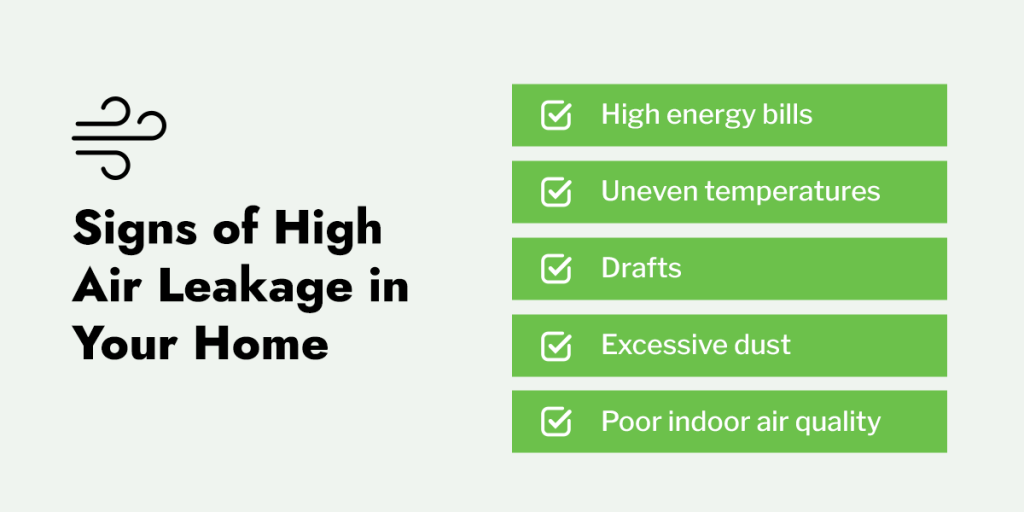
These signs are often the first alert that you have window air leakage:
The National Fenestration Rating Council (NFRC) is responsible for providing independent, credible energy performance ratings for windows, doors and skylights. When you see a window’s label, look for the NFRC certification and the official air leakage rating. Here is a step-by-step process for reading the rating:
When it comes to air leakage, the smaller the number, the better. A lower number indicates that less air is passing through the window assembly. The NFRC considers a rating of 0.3 or less to be the benchmark for an energy-efficient window. The Energy Star designation for products, which indicates the most efficient products, also requires a rating of 0.3 or lower for most climate zones.
A window with a rating of 0.3 is significantly better than one with a rating of 0.5. Over the course of a year, that difference can translate into substantial energy savings and a far more comfortable home. A 0.2 rating signifies better performance than a 0.3 rating, as it indicates less air passing through the window. 0.1 is an excellent rating, denoting minimal drafts and superior energy savings.
If you’ve determined that your existing windows are the source of your comfort and energy issues, you have two primary paths to address the problem. The best approach depends on the age and condition of your current windows.
For minor air leakage issues, primarily around the window frame where it meets the house, these short-term fixes can provide temporary relief:
These repairs are budget-friendly and can serve as a good stopgap solution, but they do not address leakage that originates from the window unit itself, whether due to a poor design or seal failure within the window sashes.
If the air leakage is due to fundamental problems, such as the window’s age, design or permanent seal failure, the effective and permanent solution is a replacement window.
Older windows or those with low-quality components can’t be fixed with caulk. Air leakage often occurs at a deeper level within the sashes or due to wear and tear that can’t be reversed. Updating or replacing these old windows with modern ones stops the leakage and provides the benefits of improved insulation, thermal performance and solar performance.
At Renewal by Andersen, we understand that when you buy a window, you’re investing in your home’s comfort, value and energy efficiency. Our replacement windows have good air leakage ratings owing to our advanced materials and superior engineering. Our revolutionary Fibrex® material is incredibly stable, resisting expansion and contraction, which helps maintain the integrity of our seals and preserves that low air leakage rating over the long life of the window.
Furthermore, the team at Renewal by Andersen ensures that your high-efficiency windows are perfectly sealed into your home’s opening. This professional installation ensures that the window will perform to its certified NFRC rating, providing you with the peace of mind that your investment will deliver maximum energy savings and comfort from the outset. Call us today at 510-214-4134 for more information about our replacement windows or to set an appointment.