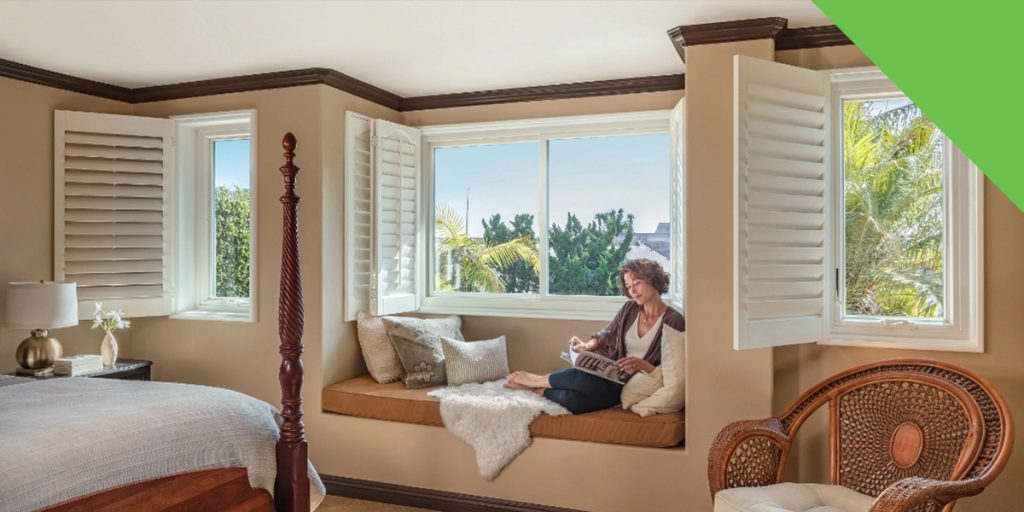
Opening your windows is a small act that supports your well-being in ways that might surprise you. It improves air quality, reduces humidity and can even lower energy bills. An open window connects you to the world outside.
If your home (or mind) feels a little stale, consider letting in some crisp outdoor air. Discover the many surprising benefits of opening windows in your house below.
Improve Your Home’s Air Quality
The quality of air inside your home affects health and comfort. Without ventilation, indoor air pollution increases, becoming trapped inside your space. The U.S. Environmental Protection Agency (EPA) recommends opening windows as a simple way to enhance ventilation.
Cracking a window enhances indoor air quality (IAQ) in the following ways:
Replenish oxygen and reduce carbon dioxide: With every breath we take, we use oxygen and release carbon dioxide (CO2). When windows remain closed for too long, oxygen levels drop while CO2 levels rise. While CO2 is harmless in small amounts, a buildup can leave you feeling tired, sluggish or unable to focus. Allowing outside air to circulate restores the natural balance. Fresh oxygen helps sharpen focus, boost energy levels and enhance wellness.
Flush out indoor air pollutants: Closing windows may shield against outdoor pollution, but it can trap air pollutants inside. Common sources of indoor air pollution include fuel-burning stoves or appliances, chemicals from cleaning products, mold, pet dander and dust mites. Opening windows on opposite sides of the room encourages cross-ventilation. The flow of air carries these pollutants outside. Natural ventilation removes particles that mechanical filters can miss. Cleaner air supports easier breathing and a healthier indoor environment for everyone.
Get rid of lingering odors: Cooking, pets and general stuffiness can make your home smell less than inviting. Air fresheners only mask the problem. An open window allows natural airflow to sweep through your rooms. The movement of air removes stale scents while introducing crisp outdoor fragrances. It offers a simple, chemical-free way to refresh your home.
Create a Healthier Living Environment
Clean air improves comfort, protects the integrity of your home and supports health.
Cooking, bathing and even breathing release moisture into the air. As humidity increases, surfaces stay damp longer, creating ideal conditions for organisms to grow. Mold and mildew thrive in moist, warm spaces. Over time, they can damage walls, window frames or your health.
Air circulation keeps moisture in check. When windows open, moist air moves out, allowing drier outdoor air to enter. Consistent ventilation helps to protect furniture, flooring and fabrics from excess moisture.
Stagnant air allows microscopic particles to linger. Some particles carry bacteria while others hold viral matter or allergens. Health experts recommend opening windows to improve ventilation and remove virus particles. Think of it as a small habit for a healthier life.
Promote Mental Well-being
Beyond its positive impact on physical health, opening windows can also improve mental health in the following ways:
Enhancing indoor air quality: The air we breathe impacts our mental wellness. Poor air quality increases the risk of anxiety, depression and other disorders. Exposure to air pollution can even affect brain health. By improving IAQ, natural air inside your home can enhance cognitive function.
Bringing nature inside: A connection to nature has proven mental health benefits. The sights, sounds and smells of the outdoors through an open window can renew your energy.
Adding natural light: Opening your windows allows more vitamin D-rich sunlight into your space. Natural light can boost your mood and regulate your sleep patterns. It also helps fend off seasonal depression.
Lower Energy Bills
Cranking up the air conditioning (AC) in summer gives much-needed relief, but it also drives up energy costs. In the U.S., air conditioning accounts for 19% of household electricity consumption. An open window is a more cost-effective way to beat the heat.
A breeze is Mother Nature’s own air conditioning. This natural cooling method reduces the need for AC, which can reduce your energy costs. Besides being kind to your wallet, it’s also kinder to the planet. Many modern AC units use refrigerants, which can cause environment-harming leaks.
Inside your windows: When warm inside air meets the cold glass, water droplets form. A buildup of condensation inside your home can lead to mold and mildew growth.
Outside your windows: Exterior condensation occurs when the outdoor air is warmer than the indoor air.
Between the window panes: Moisture can sneak through leaks in your window seal. Condensation between the glass panes often indicates the need for a full window replacement.
If you notice condensation, open a window or two. The circulating air eliminates condensation-causing humidity. It can even help to prolong the lifespan of your windows.
When Is the Best Time to Open Windows?
Season, weather and time of day influence when you should open your windows:
Summer: Throw open your windows in the morning and evenings. Cooler air can lower indoor temperatures, giving your AC a well-deserved break. Keep your windows closed during the hottest parts of the day.
Spring and fall: If you live in an area with a mild climate, these seasons are ideal for ventilation. Gentle breezes carry away stale air without affecting indoor comfort.
Winter: Open your windows in short bursts to let in revitalizing air and prevent stale air buildup.
Some conditions require your windows to remain closed. Shut your windows during storms, when outside humidity is high or if there’s outdoor air pollution.
Unable to Open Your Windows? It Might Be Time for an Upgrade
To enjoy the benefits of open windows, you need to be able to operate them. Stuck windows may need a simple repair or a total replacement. Common causes include:
Paint buildup: Sometimes, paint can seal the sashes shut, preventing them from opening. Use a utility knife to gently separate the paint seal on the top and sides of the sash.
Debris in the tracks: Dirt or dust can accumulate on the window tracks. Vacuum any debris with a brush attachment and clean the tracks with a mild soap solution.
Humidity: Moisture can cause wood window frames to swell or warp. Use a dehumidifier or open windows to balance humidity levels. Consider replacing wood windows with ones made of a moisture-resistant composite, like the windows made with Fibrex® material from Renewal by Andersen.
Damaged hardware: Check for broken locks, latches or gliders. You may be able to replace or repair the broken hardware.
Old windows: With proper care, windows can last 15 to 20 years. If your windows have come to the end of their lifespan, replacement is often recommended.
Shifting foundation: Your home’s foundation can shift, placing pressure on your window frames. Misaligned windows often need replacement to restore operation.
When repairs become more frequent or costly, consider upgrading your windows. Modern replacement windows boast energy efficiency, durable materials and reliable function.
Breathe Easier With High-Quality Replacement Windows
Experience the difference that premium windows make to your home’s comfort, energy efficiency and curb appeal. Custom replacement windows from Renewal by Andersen blend beauty with smooth operation. We take precise measurements to ensure your windows fit your home like a glove.
Choose from an array of designs, colors and customization options. From picturesque bay windows to timeless double-hung windows, discover a style that enhances your home. Each frame features revolutionary Fibrex® material. This composite boasts the strength of wood with the low-maintenance properties of vinyl. It resists warping, rotting and fading.