

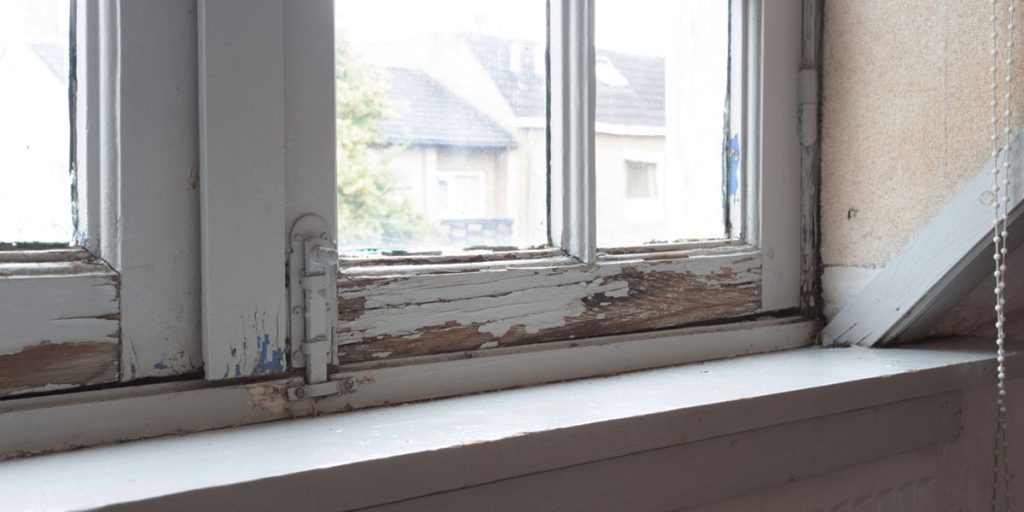
If you’ve spotted cracking or peeling paint around your window frames, you’re not alone. It’s a common issue for many homeowners, and one that often signals more than just cosmetic wear. Whether it’s from excess moisture or aging materials, understanding why your window paint is peeling off can help you fix the problem and keep it from happening again.
Paint cracking or peeling around your windows usually points to underlying issues that go beyond surface-level wear. Here are the most common reasons it happens.
The most common culprit behind paint peeling off window frames is moisture. Windows are constantly exposed to rain, wind, sun and fluctuating temperatures. If water seeps down into the frame, especially during rainy or humid conditions, it can weaken the bond between the paint and the surface and potentially cause damage.
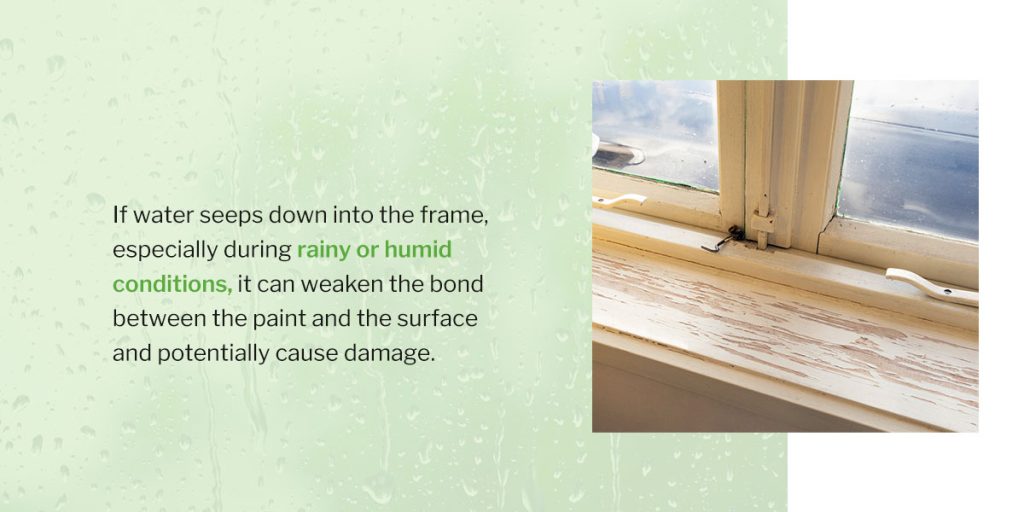
Over time, that moisture causes the paint to blister, crack and eventually peel. Condensation from inside the home can also be a factor, especially in rooms like bathrooms and kitchens where humidity tends to be higher. Inspect your windows when doing your usual end-of-summer home maintenance, re-caulking and re-sealing as necessary.
Paint sticks best to clean, dry and properly primed surfaces. If the original surface wasn’t cleaned well or if dust, oil or old flaking paint was left behind, the new paint won’t have anything solid to grip. Skipping primer or using the wrong type of primer for your material can also cause the paint to fail sooner than expected.
Sometimes, paint peeling off a window frame comes down to how the job was done. Applying paint too thickly, not allowing enough drying time between coats or painting in bad weather conditions — like during high humidity or extreme heat— can all result in cracking or peeling later on. Outdoor paint requires specific temperature and moisture conditions to cure correctly.
Using interior paint on an exterior window frame is another common mistake that can lead to premature failure. Remember, outdoor window surfaces require exterior-grade paint, while you can use interior-grade paint for the portions inside your home. The paint on your window frames will last much longer when you buy high-quality supplies and follow all the instructions to the letter.
Even the best paint job has a lifespan. UV rays, exposure to fluctuating temperatures, and years of opening and closing windows can all wear down the paint over time. Eventually, the layers start to break down, and the window frame paint starts peeling off. The sooner you address the damage with a new coat, the less work you must do. Letting the problem worsen, however, could expose the wood underneath to the elements, requiring you to replace it as well.
Before fixing cracked paint, you must address the underlying problem. Otherwise, your fresh paint may also crack. Here are several tips for preventing paint peeling around interior windows:
The paint on your window frames can last a long time if you apply it correctly and maintain it well. Paying attention to moisture and temperature differences in your home can significantly prolong window frame paint’s lifespan.
Fixing peeling paint is simple, though it takes some elbow grease. Follow these steps to remove old paint and apply a fresh coat:
Most paint cracking results from insufficient protection from the elements. Improperly sealed wood frames can soak up moisture, which cracks the paint when it evaporates. Paint on vinyl frames can also crack from moisture or improper application.