

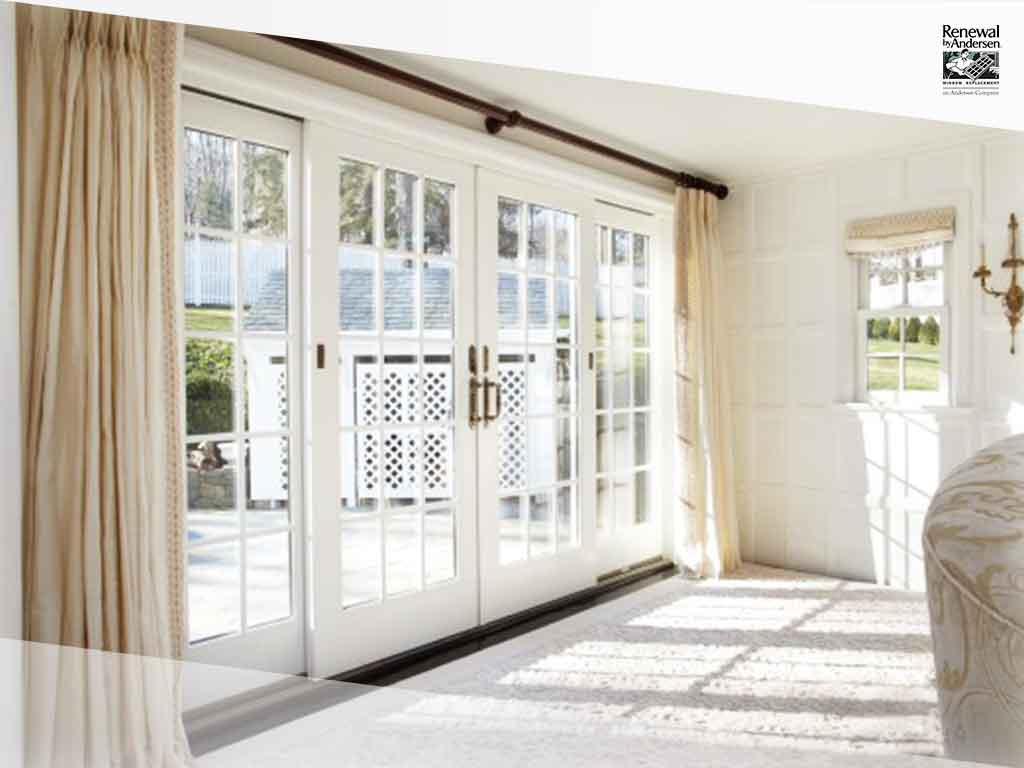
Few designs can compare to the allure of a French door when it comes to style. Whether it leads you to a refreshing garden, a breezy beach, or a cozy balcony, it has a unique charm and sophistication. But where did it come from, and why does it remain popular despite so many competing styles?
French doors are characterized by multiple glass panes extending most of their length. Since the term is primarily used in the real estate market, you may also see French doors erroneously referred to as patio doors.
While the multipanel design is beautiful, it’s born of necessity, rather than an affinity for aesthetics. In 17th-century France, glass was fragile and expensive. Glassworkers would use vertical bars, or mullions, to support the many smaller panes of glass that filled the door frame. This approach prevented breakage and added stability.
The original French Doors were nothing more than windows reaching all the way to the floor for extra lighting – usually opening up to small balconies. In the absence of modern conveniences like electricity, converting solid doors to window-like fixtures that provide natural light made sense.
At this point in the design’s history, the doors had a thick frame to support the weight of the heavy, full-frame glass. Intricate ironwork decorated the door, adding an elegant design element that allowed ample illumination throughout the day.
Because of that earlier design, it’s also called a French window. At the time, the French door was exclusively used for balconies, but changes to home design eventually led to its use in main entryways.
Today, the glass used on French doors is stronger. The iconic look remains, but for beauty, not practicality.
French doors differ from the usual sliding patio doors in multiple ways, including:
Renewal by Andersen offers a comprehensive guide to help you decide whether to choose sliding or French patio doors.
Today, French doors remain popular. Technology and construction materials have evolved to the point where natural light isn’t the only available source. However, it remains critical for our health, comfort and mood.
Today, we have access to engineered materials that offer superior results to traditional wood and wrought iron. Our patented Fibrex® material doesn’t require standard maintenance like patching and repainting because it doesn’t peel, flake, fade or blister. It also eliminates mold, mildew, and rot caused by water damage.
To maintain the French door aesthetic without compromising modern energy efficiency, many homeowners mimic the original wrought-iron detailing with window grilles, or door grilles in this case. Like frames made of Fibrex® material, they don’t need extensive maintenance to stay beautiful year after year.
Whether you prefer a more traditional style or are in the market for a contemporary option that still offers the benefits of a conventional French door, we can work with you to choose a French door that suits your purpose.
The French door has been around for hundreds of years so, unsurprisingly, it has evolved with the times, resulting in several variants. Some excel as entry doors, while others are better suited for indoor use, but all French doors are charming.
It’s easy to expect the French door to be out of fashion, left behind by more modern alternatives. However, it provides numerous benefits, including:
To learn more about these and other advantages, read our article about the benefits of French doors.